We offer FREE SHIPPPING on all orders!
We offer FREE SHIPPPING on all orders!
| THIS PRODUCT IS INTENDED AS A RESEARCH CHEMICAL ONLY. This designation allows the use of research chemicals strictly for invitro testing and laboratory experimentation only. All product information available on this website is for educational purposes only. Bodily introduction of any kind into humans or animals is strictly prohibited by law. This product should only be handled by licensed, qualified professionals. This product is not a drug, food, or cosmetic and may not be misbranded, misused or mislabeled as a drug, food, or cosmetic. |
The "Wolverine Stack" is a popular research-market name for the combination of:
BPC-157 10mg
TB-500 10mg
The name "Wolverine Stack" comes from the fictional character Wolverine's unusually rapid healing ability. It is a marketing and research-community nickname, not a recognized medical or pharmaceutical term.
The combination has attracted interest primarily because BPC-157 and TB-500 are studied for different but potentially complementary aspects of tissue repair.
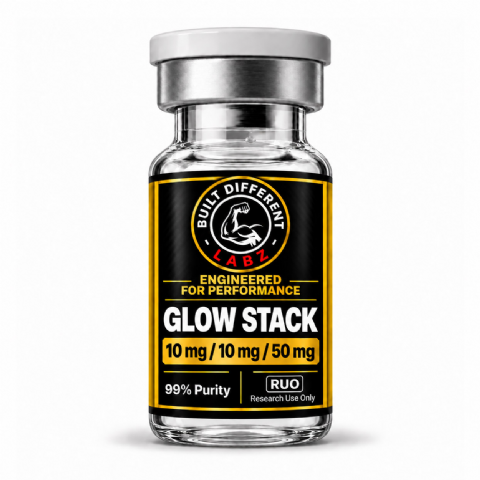
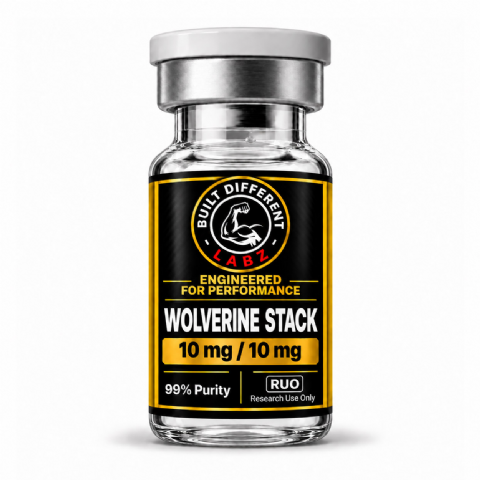
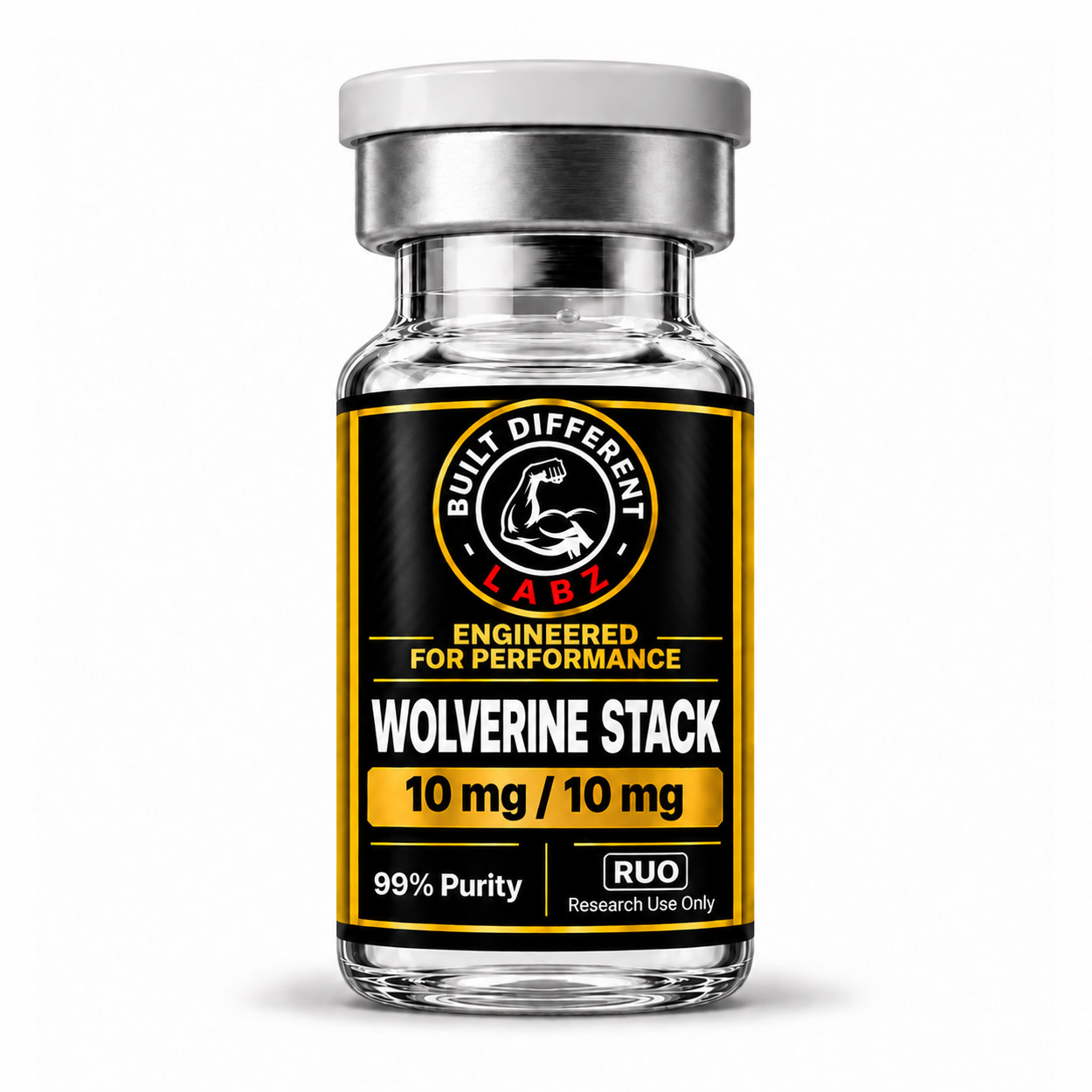
A product labeled "Wolverine Stack 10mg / 10mg" generally represents:
BPC-157: 10mg
TB-500: 10mg
Total represented peptide material: 20mg
This describes the represented contents of the vial. It does not mean 10mg of each peptide is an established or appropriate single human dose.
The basic concept is combining two experimental tissue-repair peptides:
BPC-157
plus
TB-500.
BPC-157 research has focused heavily on:
Tendons
Ligaments
Skeletal muscle
Gastrointestinal tissue
Wound healing
Fibroblasts
Angiogenesis
Nitric-oxide signaling
Inflammation
Tissue remodeling
TB-500 and its related thymosin beta-4 research have focused heavily on:
Cell migration
Actin regulation
Angiogenesis
Wound repair
Tissue remodeling
Muscle injury
Tendon repair
Inflammatory signaling
The theoretical attraction of the stack is that these mechanisms are not identical.
The basic research hypothesis is:
BPC-157
Tissue-protective and repair-related signaling
plus
TB-500-related biology
Cell migration, actin regulation and wound-healing signaling
equals
Potentially complementary tissue-repair effects.
However, this combination has not been established as an approved medical therapy.
Evidence for each individual compound also does not automatically prove that combining them creates additive or synergistic effects.
BPC-157 is a synthetic 15-amino-acid peptide.
Its commonly reported sequence is:
GEPPPGKPADDAGLV.
It has been investigated primarily in preclinical research involving:
Tendon healing
Ligament healing
Muscle injury
Gastrointestinal protection
Wound healing
Blood-vessel formation
Fibroblast activity
Inflammatory signaling
Nerve injury
Bone healing
The majority of the impressive repair findings associated with BPC-157 come from animal and laboratory research rather than large controlled human clinical trials.
TB-500 is a research peptide associated with:
Thymosin beta-4.
Thymosin beta-4 is a naturally occurring 43-amino-acid peptide found in many tissues.
It participates in processes involving:
Actin
Cell migration
Wound healing
Angiogenesis
Tissue remodeling
Inflammation
An important distinction is that commercially marketed TB-500 and full-length thymosin beta-4 should not automatically be treated as identical.
Research involving thymosin beta-4 cannot automatically be attributed to every commercial TB-500 preparation.
One of the most interesting aspects of thymosin beta-4 biology involves:
Actin.
Actin is a structural protein involved in:
Cell shape
Cell movement
Muscle contraction
Tissue organization
Wound repair
Thymosin beta-4 can bind monomeric:
G-actin.
This influences actin availability and cytoskeletal organization.
Healing requires cells to move into damaged tissue.
These can include:
Fibroblasts
Endothelial cells
Immune cells
Tissue-specific repair cells
Cell migration is therefore fundamental to wound healing.
This is one reason thymosin beta-4-related biology has attracted substantial regenerative-medicine interest.
Fibroblasts are major connective-tissue cells.
They participate in:
Collagen production
Extracellular-matrix formation
Wound contraction
Tissue remodeling
BPC-157 research suggests effects on fibroblast migration and survival.
This is particularly relevant to tendon and ligament research.
Collagen is one of the primary structural proteins in:
Tendons
Ligaments
Skin
Cartilage
Bone
Connective tissue
BPC-157-related research has investigated fibroblast and collagen-related repair processes.
TB-500-related research involves cellular migration and tissue remodeling.
This creates the theoretical rationale for combining them in connective-tissue research.
Both BPC-157 and thymosin beta-4-related research involve:
Angiogenesis.
Angiogenesis means:
Formation of new blood vessels from existing blood vessels.
Healing tissue frequently requires increased blood supply to provide:
Oxygen
Nutrients
Immune cells
Repair substrates
This makes angiogenesis an important component of tissue repair.
VEGF stands for:
Vascular Endothelial Growth Factor.
VEGF is one of the body's major regulators of angiogenesis.
BPC-157 research has investigated interactions with VEGF-related pathways.
Thymosin beta-4 research also contains significant angiogenesis-related findings.
Blood-vessel formation is important during normal healing.
However, angiogenesis can also participate in:
Tumor growth
Certain retinal diseases
Abnormal tissue growth
Therefore, "increases angiogenesis" should not automatically be interpreted as universally beneficial.
Tendon repair is one of the most common reasons the Wolverine Stack is discussed.
Tendons connect:
Muscle to bone.
They heal relatively slowly because they have:
Limited blood supply
Dense collagen structure
Slow tissue turnover
Animal research involving BPC-157 has reported promising effects on tendon healing.
Thymosin beta-4-related biology also has potential relevance to connective-tissue repair.
There is insufficient human clinical evidence to claim that BPC-157 plus TB-500 can repair a torn tendon.
This distinction is especially important for:
Complete tendon ruptures
Retracted tendons
Major structural injuries
A compound that influences cellular repair signaling cannot necessarily restore mechanical anatomy after a severe rupture.
Ligaments connect:
Bone to bone.
Like tendons, ligaments rely heavily on organized collagen.
The same general regenerative rationale applies:
BPC-157:
Fibroblast and connective-tissue research.
TB-500-related biology:
Cell migration and tissue-remodeling research.
However, the combination is not an established treatment for ligament tears.
Muscle injuries involve:
Damaged muscle fibers
Inflammation
Satellite-cell activation
Blood-vessel responses
Extracellular-matrix remodeling
Both BPC-157 and thymosin beta-4-related research contain mechanisms potentially relevant to muscle repair.
This has contributed to the stack's popularity among athletes.
It should not be classified as a direct anabolic muscle-building stack.
Neither BPC-157 nor TB-500 primarily activates:
Androgen receptors
Growth hormone receptors
IGF-1 receptors
The theoretical benefit is:
Recovery and tissue repair
rather than:
Direct anabolic hypertrophy.
PEG-MGF is associated primarily with:
IGF-related muscle signaling
Mechanical loading
Satellite cells
Muscle regeneration
The Wolverine Stack is associated more broadly with:
Tissue repair
Fibroblasts
Cell migration
Angiogenesis
Connective tissue
Therefore, the underlying research mechanisms differ substantially.
IGF-1 LR3 directly targets the:
IGF-1 receptor.
That produces strong growth-factor signaling through pathways such as:
PI3K
Akt
mTOR.
The Wolverine Stack does not primarily work through direct IGF-1 receptor activation.
It is therefore better characterized as a tissue-repair research combination than an anabolic growth-factor combination.
Compounds such as:
CJC-1295
Sermorelin
Ipamorelin
GHRP-2
GHRP-6
are designed to influence:
Growth hormone secretion.
BPC-157 and TB-500 do not primarily work through the pituitary GH pathway.
The Wolverine Stack is therefore not a GH-secretagogue stack.
The combination is frequently marketed for:
Shoulder injuries
Knee injuries
Elbow injuries
Sports injuries
Overuse injuries
However, "joint injury" can describe many different conditions.
These include:
Tendon injury
Ligament injury
Cartilage damage
Arthritis
Meniscus injury
Labral injury
Fracture
There is no high-quality human evidence showing that the Wolverine Stack reliably treats all of these conditions.
Cartilage has relatively poor regenerative capacity.
Although tissue-repair signaling is scientifically interesting, there is insufficient evidence demonstrating that BPC-157 plus TB-500 regenerates clinically significant human articular cartilage.
BPC-157 has shown interesting bone-related effects in preclinical research.
Thymosin beta-4 biology also intersects with tissue repair and angiogenesis.
However, the Wolverine Stack is not an established fracture treatment.
Mechanical stabilization and appropriate orthopedic management remain fundamentally important for fractures.
Wound healing occurs through overlapping stages:
Hemostasis
Inflammation
Proliferation
Remodeling.
BPC-157 and thymosin beta-4-related biology potentially influence several portions of this process.
This makes wound healing one of the more biologically plausible research areas for the combination.
Both peptides have been investigated for effects on inflammatory signaling.
However, neither should simply be classified as a conventional anti-inflammatory medication.
They do not work like:
Ibuprofen
Naproxen
Corticosteroids
Their proposed effects involve broader cellular repair and signaling pathways.
BPC-157 has been studied in connection with:
Nitric oxide signaling.
Nitric oxide influences:
Blood vessels
Blood flow
Endothelial function
Tissue signaling
Healing
BPC-157's interactions with the nitric-oxide system appear complex rather than simply increasing or decreasing nitric oxide.
This is an area where BPC-157 differs substantially from TB-500.
BPC-157 has extensive animal research involving:
Stomach injury
Intestinal injury
Ulcers
Inflammatory damage
Fistulas
Medication-related GI damage
This gastrointestinal research forms a significant part of BPC-157's experimental history.
No.
TB-500-related and thymosin beta-4 research is much more strongly associated with:
Cell migration
Actin biology
Wounds
Angiogenesis
Tissue repair
The two peptides therefore contribute different research rationales to the combination.
BPC-157 has been investigated in animal models involving peripheral nerve injury.
Thymosin beta-4-related research has also examined neurological repair and neuroprotection.
These findings are experimental.
The Wolverine Stack is not an established treatment for:
Neuropathy
Spinal-cord injury
Severed nerves
Neurodegenerative disease
Both compounds intersect with vascular biology.
Potential areas include:
Endothelial function
Angiogenesis
Tissue protection
Ischemic injury
These areas remain experimental and do not establish the Wolverine Stack as a cardiovascular treatment.
Recovery is probably the best description of why this combination became popular in the research-peptide community.
The theoretical model is:
Exercise or injury
Inflammation and tissue damage
Cell migration
Fibroblast activity
Angiogenesis
Extracellular-matrix remodeling
Tissue recovery
BPC-157 and TB-500 potentially influence different portions of this process.
The key limitation is that biological plausibility is much stronger than controlled human evidence.
There is no robust clinical evidence establishing that:
BPC-157 + TB-500
produces a specific synergistic effect in humans.
The theoretical argument is based on complementary mechanisms.
That is different from experimentally demonstrating synergy.
That has not been established.
Combining two biologically active compounds does not automatically mean:
Twice the healing
Twice the speed
Twice the effectiveness
It can also create additional uncertainty regarding:
Interactions
Safety
Pharmacokinetics
Product stability
A simplified comparison is:
BPC-157:
15-amino-acid peptide
Strong GI research component
Tendon and ligament research
Fibroblast migration
Angiogenesis
Nitric-oxide signaling
Tissue protection
TB-500-related biology:
Associated with thymosin beta-4
Actin regulation
Cell migration
Angiogenesis
Wound healing
Tissue remodeling
Broader regenerative signaling
This complementary profile explains the popularity of the combination.
Neither BPC-157 nor TB-500 primarily targets:
GnRH
LH
FSH
Testosterone
Androgen receptors
The Wolverine Stack is not an androgenic combination.
It is not known to produce the classic hypothalamic-pituitary-gonadal suppression associated with anabolic steroids.
Long-term human endocrine safety data remain limited.
Traditional steroid-style post-cycle therapy is not inherently associated with BPC-157 or TB-500.
They are not anabolic steroids or SARMs.
Neither peptide is primarily a growth hormone secretagogue.
The combination does not work like:
Ipamorelin
Sermorelin
CJC-1295
GHRP-2
GHRP-6
Neither peptide is primarily an obesity medication.
They do not directly reproduce the mechanisms of:
Semaglutide
Tirzepatide
Retatrutide
Cagrilintide
Claims of dramatic direct fat loss from the Wolverine Stack are unsupported.
The proposed athletic benefit is primarily:
Better recovery
rather than direct improvements in:
Strength
Speed
Power
VO2 max
Endurance
There is insufficient controlled human evidence demonstrating meaningful athletic-performance enhancement.
A common claim is that BPC-157 or TB-500 must be administered directly beside an injured body part.
There is insufficient human evidence demonstrating that local administration reliably produces superior healing.
Systemically absorbed peptides are not necessarily confined to the tissue near where they enter the body.
Precise human pharmacokinetic information for BPC-157 is limited.
Short circulating half-life estimates are frequently discussed, but validated human pharmacokinetic data are insufficient to establish a universal value for research-market products.
TB-500 is frequently described online as relatively long acting.
However, exact human pharmacokinetic claims are complicated by uncertainty surrounding:
Commercial TB-500 identity
Full-length thymosin beta-4 versus fragments
Formulation
Analytical characterization
Precise universal half-life claims should therefore be treated cautiously.
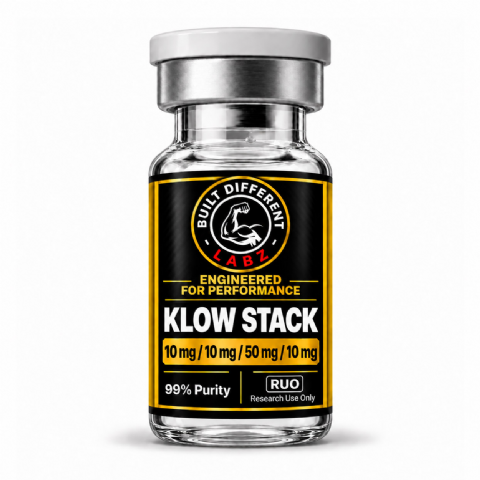
A vial labeled:
"Wolverine Stack 10mg / 10mg"
generally means the supplier represents it as containing:
BPC-157: 10mg
TB-500: 10mg
Total represented peptide material: 20mg.
This describes total vial content.
It does not establish an appropriate administration amount or schedule.
There is no FDA-approved Wolverine Stack dosing regimen.
A combination vial creates additional quality-control questions.
For example:
Does it actually contain 10mg BPC-157?
Does it actually contain 10mg TB-500?
Are both molecules correctly identified?
Are both stable together?
Are they uniformly distributed?
Is the vial sterile?
Are endotoxin levels controlled?
Testing only the total peptide signal may not answer all of these questions.
Identity is particularly important with TB-500 because commercial terminology can be inconsistent.
A high-quality analytical report should distinguish between:
BPC-157
Full-length thymosin beta-4
TB-500-related fragments or derivatives
Other peptide impurities
A label alone cannot establish molecular identity.
A claim of 99 percent purity does not automatically mean:
99 percent purity for both peptides individually
Correct quantity of each peptide
Sterility
Low endotoxin
Correct molecular identity
Pharmaceutical manufacturing quality
Human safety
For a combination vial, each component ideally requires appropriate characterization.
HPLC can help assess:
Chemical purity
Impurity profiles
Separation of compounds
However, HPLC alone does not establish every quality characteristic.
Mass spectrometry can help verify:
Molecular mass
Peptide identity
For a two-peptide formulation, analytical methods should be capable of distinguishing both components.
Chemical purity is not the same as sterility.
An injectable-style research vial can contain highly pure peptide while still containing:
Bacteria
Fungi
Particulates
Endotoxins
Sterility requires separate testing and manufacturing controls.
Endotoxins are inflammatory bacterial components.
They can remain even if bacteria are no longer alive.
Potential consequences of significant endotoxin exposure include:
Fever
Chills
Inflammation
Low blood pressure
Severe systemic reactions
HPLC purity does not establish endotoxin safety.
Human adverse-event data for the combination are inadequate to calculate reliable frequencies.
Potentially reported or plausible effects include:
Headache
Nausea
Fatigue
Dizziness
Flushing
Injection-site irritation
Swelling
Hypersensitivity reactions
The absence of large clinical safety studies means unknown adverse effects remain possible.
Long-term controlled human safety data are insufficient for both compounds.
Important unanswered questions include:
Chronic angiogenesis
Abnormal tissue growth
Immune effects
Cardiovascular effects
Neurological effects
Reproductive effects
Drug interactions
Cancer-related signaling
The combination itself is even less studied than either compound individually.
This subject requires nuance.
Both tissue repair and cancer can involve biological processes such as:
Angiogenesis
Cell migration
Cell survival
Tissue remodeling
That creates a theoretical reason for caution.
There is not adequate evidence demonstrating that the Wolverine Stack causes cancer.
There is also insufficient evidence to establish long-term safety in people with existing or undiagnosed malignancies.
RUO means:
Research Use Only.
For a Wolverine Stack vial, this generally means the product is being marketed for laboratory or analytical research rather than as an approved human medication.
RUO does not mean:
"Approved medication with a different label."
No.
There is no FDA-approved pharmaceutical product called:
Wolverine Stack.
The BPC-157 plus TB-500 combination is not FDA approved as a treatment for:
Tendon injuries
Ligament injuries
Muscle injuries
Joint pain
Cartilage damage
Wound healing
Sports recovery
Nerve injuries
Bone healing
Bodybuilding
Anti-aging
General wellness
BPC-157 animal tissue-repair research:
Promising.
BPC-157 tendon and ligament research:
Promising preclinical evidence.
BPC-157 GI research:
Substantial preclinical interest.
BPC-157 controlled human evidence:
Very limited.
Thymosin beta-4 actin biology:
Strong.
Thymosin beta-4 cell-migration biology:
Strong.
Thymosin beta-4 wound-healing research:
Promising.
Commercial TB-500 equivalence to thymosin beta-4:
Not automatically established.
BPC-157 plus TB-500 human synergy:
Not established.
Wolverine Stack human tendon repair:
Not established.
Wolverine Stack human ligament repair:
Not established.
Human cartilage regeneration:
Not established.
Human muscle-growth enhancement:
Not established.
Human athletic-performance enhancement:
Not established.
Long-term combination safety:
Insufficiently characterized.
The theoretical advantage of the Wolverine Stack is that the two peptides are associated with different components of tissue repair.
The simplified model is:
BPC-157
Fibroblast activity
Connective-tissue signaling
Angiogenesis
Tissue protection
plus
TB-500-related biology
Actin regulation
Cell migration
Angiogenesis
Wound remodeling
equals
Potentially complementary regenerative signaling.
This is more biologically interesting than simply combining two compounds that perform exactly the same function.
The biggest limitation is the enormous gap between:
Promising regenerative biology
and:
Proven human injury treatment.
There is legitimate scientific rationale behind several mechanisms associated with BPC-157 and thymosin beta-4.
However, there is insufficient controlled human evidence demonstrating that the combined Wolverine Stack reliably repairs:
Torn tendons
Torn ligaments
Damaged cartilage
Serious muscle injuries
Nerve damage
There is even less evidence establishing the safety and effectiveness of independently manufactured combination vials.
The Wolverine Stack is the research-market name commonly given to the combination of BPC-157 and TB-500.
A "Wolverine Stack 10mg / 10mg" generally represents:
BPC-157: 10mg
TB-500: 10mg
Total represented peptide material: 20mg.
Its primary research interest comes from potentially complementary tissue-repair mechanisms involving:
Fibroblasts
Cell migration
Actin regulation
Angiogenesis
Collagen and connective tissue
Wound healing
Muscle repair
Tendon and ligament research
Tissue remodeling
The most accurate description is:
The Wolverine Stack combines BPC-157 and TB-500-related peptide biology into an experimental tissue-repair research combination. BPC-157 has particularly interesting preclinical research involving connective tissue, fibroblasts, gastrointestinal protection, angiogenesis and tissue repair, while thymosin beta-4-related biology has well-established connections with actin regulation, cell migration, angiogenesis and wound healing. These complementary mechanisms provide a reasonable scientific explanation for why the compounds are frequently paired. However, the combination itself lacks robust controlled human clinical evidence, and there is no established proof that a 10mg/10mg Wolverine Stack repairs serious tendon, ligament, cartilage, muscle or nerve injuries in humans. A research-market combination vial also introduces additional questions involving the identity, quantity, purity, sterility, endotoxin levels and stability of both peptides, making it fundamentally different from an approved pharmaceutical treatment.
We do not accept returns or issue refunds for any reason, beside manufacturing defects.
Feel free to contact us if you have any questions or concerns about our Return Policy.