We offer FREE SHIPPPING on all orders!
We offer FREE SHIPPPING on all orders!
| THIS PRODUCT IS INTENDED AS A RESEARCH CHEMICAL ONLY. This designation allows the use of research chemicals strictly for invitro testing and laboratory experimentation only. All product information available on this website is for educational purposes only. Bodily introduction of any kind into humans or animals is strictly prohibited by law. This product should only be handled by licensed, qualified professionals. This product is not a drug, food, or cosmetic and may not be misbranded, misused or mislabeled as a drug, food, or cosmetic. |
Thymosin Alpha-1, commonly abbreviated Talpha1 or TA1, is a naturally occurring 28-amino-acid peptide primarily associated with immune-system regulation.
Unlike many peptides commonly discussed for bodybuilding, recovery, or growth hormone stimulation, Thymosin Alpha-1 is primarily an immunomodulatory peptide. Its research centers on T-cell function, dendritic cells, innate and adaptive immunity, inflammatory regulation, infection, immune dysfunction, and cancer immunology.
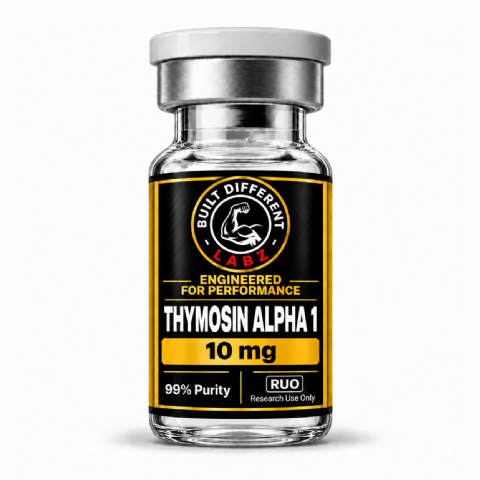
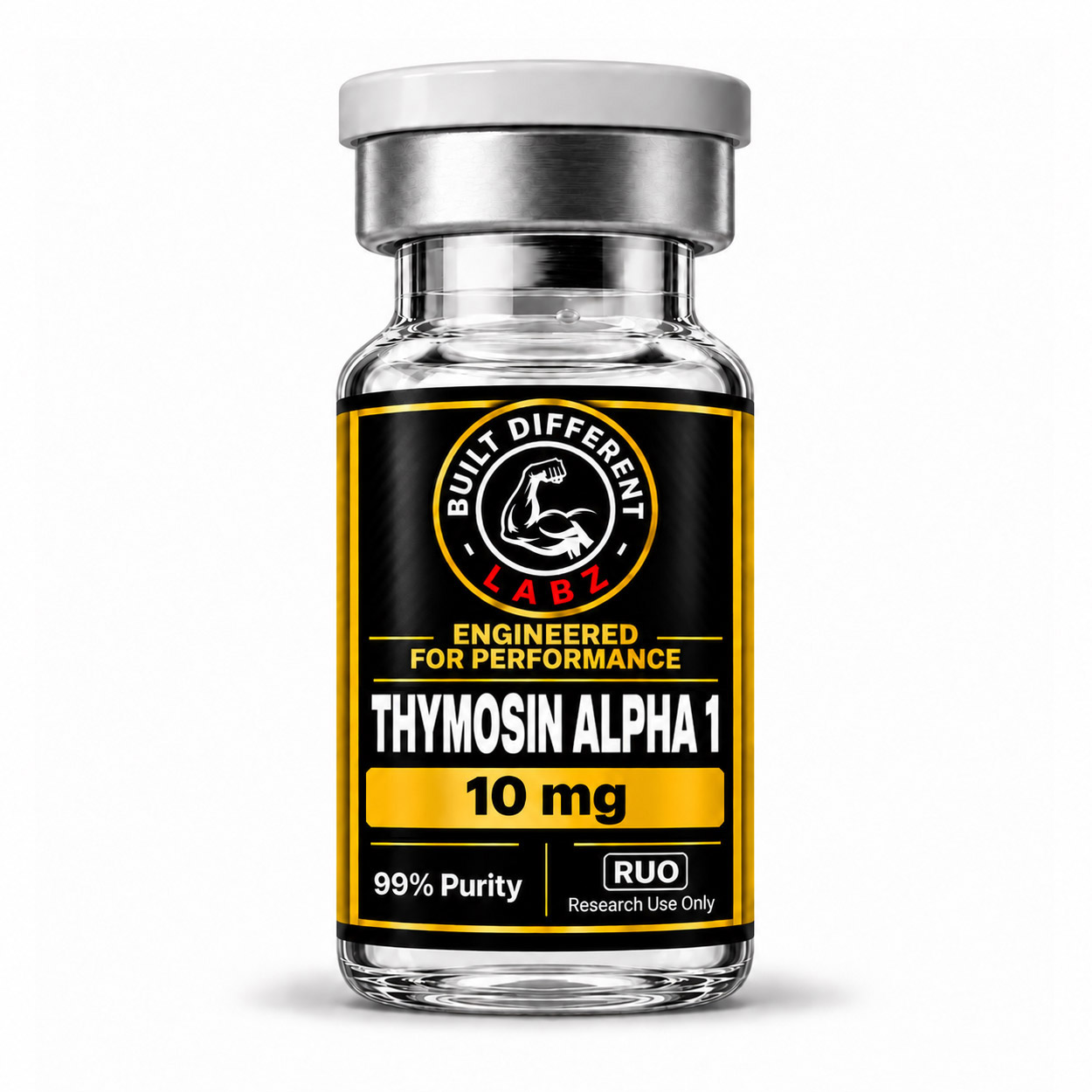
A vial labeled "Thymosin Alpha-1 10mg" represents a total of 10 milligrams of Thymosin Alpha-1 in the vial. It does not mean that 10mg is an established or appropriate single human dose.
Thymosin Alpha-1 is a 28-amino-acid peptide originally isolated from thymosin fraction 5, a preparation derived from thymus tissue.
Its sequence is:
Ac-Ser-Asp-Ala-Ala-Val-Asp-Thr-Ser-Ser-Glu-Ile-Thr-Thr-Lys-Asp-Leu-Lys-Glu-Lys-Lys-Glu-Val-Val-Glu-Glu-Ala-Glu-Asn
The peptide is naturally produced in the body from a larger precursor protein called prothymosin alpha.
Its biological activity is strongly associated with regulation and coordination of immune responses.
The thymus is an immune organ located behind the breastbone.
It is particularly important during development because it helps immature immune cells develop into functional T lymphocytes.
T cells are critical for:
Recognizing infected cells
Coordinating immune responses
Destroying abnormal cells
Immune memory
Regulating inflammation
The thymus becomes smaller with age, a process known as thymic involution.
Thymosin Alpha-1 is closely associated with thymic and T-cell biology, although administering TA1 should not be described simply as "regrowing the thymus."
The major areas of research include:
T-cell function
Dendritic-cell activity
Natural killer cell activity
Innate immunity
Adaptive immunity
Immune-system regulation
Cytokine signaling
Viral infections
Bacterial infections
Sepsis
Cancer immunology
Vaccine responses
Immune dysfunction
One of its most interesting characteristics is that it is better described as an immune modulator than as a simple immune stimulant.
These terms are not identical.
An immune stimulant broadly increases immune activity.
An immunomodulator changes how different components of the immune system communicate and respond.
Thymosin Alpha-1 appears capable of influencing multiple immune pathways.
This makes the concept more accurately:
Improved immune coordination
rather than simply:
More immune activity
This distinction is important because excessive immune activation can itself be harmful.
There is no single mechanism responsible for all of its effects.
Research suggests interactions involving:
Toll-like receptors
Dendritic cells
T lymphocytes
Natural killer cells
Cytokines
Antigen presentation
Innate immune signaling
Adaptive immune responses
A simplified pathway is:
Thymosin Alpha-1
Innate immune-cell signaling
Improved antigen presentation
T-cell activation and differentiation
Improved adaptive immune response
Better coordination of immune activity
T cells are one of the most important targets associated with TA1.
Different T-cell populations include:
Helper T cells
Cytotoxic T cells
Regulatory T cells
Memory T cells
Thymosin Alpha-1 has been investigated for its ability to support T-cell maturation, differentiation, and function.
This is especially interesting when immune function is impaired.
CD4-positive T cells are commonly called helper T cells.
They coordinate immune responses by signaling to other immune cells.
These include:
B cells
Cytotoxic T cells
Macrophages
TA1 research has investigated effects on CD4 T-cell function and immune recovery.
CD8-positive cytotoxic T cells can recognize and destroy:
Virus-infected cells
Certain abnormal cells
Some cancer cells
Thymosin Alpha-1 may influence the cellular immune environment that supports effective CD8 responses.
Dendritic cells act as messengers between innate and adaptive immunity.
They capture antigens and present them to T cells.
This process helps the immune system recognize what it should attack.
TA1 can influence dendritic-cell maturation and function.
This may be one of the central mechanisms behind its broader immunomodulatory effects.
An antigen is a molecular structure recognized by the immune system.
Dendritic cells process antigens and present pieces of them to T cells.
This tells the adaptive immune system:
"This is something you need to recognize."
Improving antigen presentation could potentially produce a more organized immune response.
Toll-like receptors, or TLRs, are pattern-recognition receptors used by the innate immune system.
They recognize molecular patterns associated with:
Viruses
Bacteria
Fungi
Cellular damage
Thymosin Alpha-1 has been investigated for interactions with Toll-like receptor pathways, particularly TLR2 and TLR9-related signaling.
This may contribute to its effects on dendritic cells and other immune cells.
The immune system has two major interacting components.
Innate immunity provides rapid, relatively nonspecific defense.
Adaptive immunity develops more targeted responses and immune memory.
Thymosin Alpha-1 is unusual because research suggests it can influence both.
Potential innate effects include:
Dendritic-cell function
Natural killer cells
Toll-like receptor signaling
Potential adaptive effects include:
T-cell activity
Antigen-specific immune responses
Immune memory
Natural killer cells, or NK cells, are part of the innate immune system.
They can recognize and destroy certain:
Virus-infected cells
Abnormal cells
Tumor cells
Research suggests TA1 can influence NK-cell activity under certain conditions.
This contributes to its interest in infectious disease and cancer immunology.
Cytokines are signaling proteins used by immune cells to communicate.
TA1 can influence cytokine networks involving inflammatory and antiviral responses.
Depending on the biological environment, these pathways may involve:
Interferons
Interleukins
TNF-related signaling
Th1-related immune responses
Its effects should not be reduced to simply "increasing cytokines."
Immune regulation is considerably more complicated.
Helper T cells can develop into different functional subtypes.
Th1 responses are particularly important for cellular immunity against intracellular pathogens.
TA1 has been associated with supporting Th1-type immune responses under certain experimental conditions.
This may help explain some of its antiviral research.
Viral infections are one of the most extensively researched areas for Thymosin Alpha-1.
TA1 has been investigated in relation to viruses including:
Hepatitis B
Hepatitis C
Influenza
Coronavirus-related illness
Potential mechanisms include:
Improved T-cell responses
Improved dendritic-cell function
Enhanced innate immune recognition
Improved antiviral cytokine signaling
Results vary substantially by disease and study.
It should not be described as a broad antiviral medication.
Some of the most established clinical research involving TA1 concerns chronic hepatitis B and hepatitis C.
Researchers have evaluated it alone and in combination with other antiviral or immune-based therapies.
Its role has changed as highly effective direct-acting antiviral drugs have become available.
TA1 should not be considered a replacement for modern hepatitis treatment.
TA1 received considerable attention during the COVID-19 pandemic.
Researchers investigated whether immunomodulation could benefit severely ill patients, particularly those with:
Lymphopenia
Immune exhaustion
Severe systemic illness
Some observational studies suggested potential benefits in selected patients.
Other studies were less conclusive.
It is not established as a routine treatment for COVID-19.
TA1 does not function like an antibiotic.
However, immune dysfunction can contribute to poor outcomes during serious bacterial infections.
Researchers have therefore investigated TA1 as an immune-modulating adjunct in severe infections.
It should never be viewed as a replacement for appropriate antibiotics when bacterial infection requires antimicrobial treatment.
Sepsis is a life-threatening systemic response to infection.
It can involve both:
Excessive inflammation
Subsequent immune suppression
The second phase is particularly interesting for TA1 research.
Some septic patients develop significant immune dysfunction.
Researchers have investigated whether TA1 can help restore more effective immune function in these patients.
Clinical findings have been mixed, and TA1 is not standard U.S. sepsis therapy.
During prolonged infection or severe disease, immune cells can become dysfunctional or exhausted.
T cells may become less effective at responding to threats.
TA1 research has investigated whether immune regulation can improve T-cell responsiveness in these circumstances.
This is substantially different from simply trying to maximize immune activation.
Cancer immunology is another major area of TA1 research.
The immune system can recognize abnormal tumor cells.
Cancer can also develop mechanisms that help it escape immune surveillance.
Potential TA1 research areas include:
T-cell activity
Natural killer cells
Dendritic cells
Antigen presentation
Immune surveillance
TA1 has been investigated as an adjunct to cancer treatments rather than as a direct cancer-killing drug.
No.
Thymosin Alpha-1 should not be described as a cancer cure.
Research has examined it alongside therapies such as:
Chemotherapy
Immunotherapy
Other cancer treatments
Any potential role would involve supporting or modifying immune responses.
It does not replace established oncology treatment.
Immune surveillance refers to the immune system's ability to recognize abnormal cells.
T cells and natural killer cells participate in this process.
Because TA1 can influence these immune populations, researchers have investigated its potential role in supporting immune surveillance.
This does not establish cancer prevention.
Vaccines rely on the immune system's ability to recognize an antigen and create a durable immune response.
TA1 has been studied as an immune adjuvant in populations that may respond poorly to vaccination.
Potential populations of interest include:
Older adults
Immunocompromised individuals
People with weakened immune responses
Research has explored whether TA1 can improve vaccine responsiveness in certain circumstances.
Immune function changes substantially with age.
This phenomenon is often called immunosenescence.
Potential changes include:
Reduced naive T-cell populations
Altered T-cell responses
Reduced vaccine responsiveness
Changes in inflammatory signaling
Thymic involution
Because TA1 affects T-cell and thymic-related immune pathways, it has attracted interest in healthy-aging research.
No.
There is insufficient evidence that TA1 reverses immunological aging.
It may influence specific immune functions, but that is different from restoring the immune system to a youthful state.
This claim is frequently overstated.
TA1 is associated with thymic biology and T-cell function.
However, evidence does not establish that administering TA1 simply causes an involuted adult thymus to regrow.
Improved T-cell function and physical thymus regeneration are different concepts.
This is an area where simplistic descriptions can become misleading.
Autoimmune disease involves immune responses against the body's own tissues.
Because TA1 is an immunomodulator, researchers have investigated its effects on immune regulation.
However, stimulating parts of the immune system is not automatically desirable in someone with autoimmune disease.
Different autoimmune conditions involve different immune pathways.
TA1 is not an established general treatment for autoimmune disease.
No.
TA1 is not generally classified as a conventional immunosuppressive medication.
It is better described as an immunomodulator.
Its biological effects can depend on the condition and immune environment.
"Immune booster" is also an oversimplification.
The more accurate description is:
Immune response modifier or immunomodulator.
TA1 appears to help regulate interactions between different immune cells rather than indiscriminately increasing every immune response.
TA1 can influence inflammatory pathways.
Interestingly, immunomodulation can sometimes improve immune defense while also reducing inappropriate inflammation.
This apparent contradiction reflects the complexity of immune regulation.
The goal is not necessarily:
More inflammation.
The potential goal is:
A more appropriately regulated immune response.
Both peptides have immunological research applications, but they are very different.
Thymosin Alpha-1:
T-cell function
Dendritic cells
Innate and adaptive immunity
Infectious disease
Cancer immunology
KPV:
Anti-inflammatory signaling
NF-kappaB
Cytokine modulation
Intestinal inflammation
Skin inflammation
TA1 has a substantially broader systemic immune research profile.
These compounds are sometimes confused because their names involve thymosin.
They are completely different peptides.
Thymosin Alpha-1:
28 amino acids
Immune regulation
T cells
Dendritic cells
TB-500-related compounds:
Associated with thymosin beta-4 biology
Actin regulation
Cell migration
Angiogenesis
Tissue repair
Thymosin Alpha-1 and thymosin beta-4 are not interchangeable.
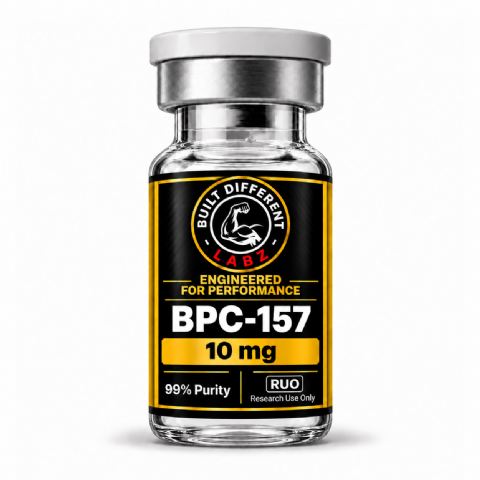
BPC-157 research focuses primarily on:
Tissue protection
Tendons
Ligaments
Gastrointestinal tissue
Wound healing
Thymosin Alpha-1 focuses primarily on:
Immune regulation
T cells
Infectious disease
Immune dysfunction
Their mechanisms are fundamentally different.
KPV is more directly associated with reducing intestinal inflammatory signaling.
TA1 is more directly associated with systemic immune regulation.
Both may appear in gastrointestinal discussions, but neither should be described as an established cure for inflammatory bowel disease.
Allergic disease involves inappropriate immune responses to normally harmless substances.
Because TA1 modulates immune function, there is theoretical interest in allergic and immune-regulatory disorders.
However, TA1 is not an established general treatment for allergies.
Some people promote TA1 for chronic fatigue because immune dysfunction can contribute to fatigue in certain illnesses.
There is insufficient evidence to describe TA1 as a general treatment for chronic fatigue.
Fatigue has many potential causes unrelated to immune function.
TA1 is not a bodybuilding peptide.
It does not directly:
Activate androgen receptors
Increase testosterone
Stimulate growth hormone
Increase IGF-1
Cause muscle hypertrophy
Burn body fat
Interest among athletes generally relates to immune health rather than direct performance enhancement.
No strong evidence demonstrates direct muscle-building activity.
It is not anabolic.
No.
It is not an established fat-loss peptide.
TA1 is not primarily a reproductive hormone peptide.
It does not directly stimulate the Kisspeptin-GnRH-LH-testosterone pathway.
No.
TA1 is not a growth hormone secretagogue.
It should not be grouped with:
Sermorelin
Tesamorelin
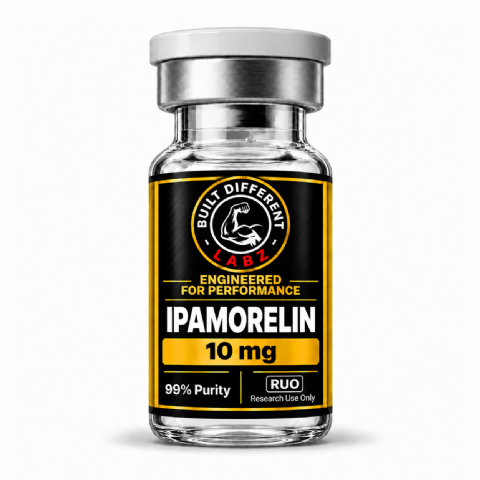
Ipamorelin
CJC-1295
There is no established evidence that TA1 suppresses natural testosterone production in the manner of anabolic steroids.
Traditional steroid-style post-cycle therapy is not generally associated with TA1.
Its primary activity involves immune regulation rather than androgen signaling.
A vial labeled:
"Thymosin Alpha-1 10mg"
means the supplier represents the vial as containing a total of 10 milligrams of Thymosin Alpha-1.
The 10mg describes total vial content.
It should not be interpreted as an established single administration amount.
Research vial strength should not be converted directly into a self-administration protocol.
A pharmaceutical form of Thymosin Alpha-1 is known internationally as thymalfasin.
The best-known brand name is Zadaxin.
Thymalfasin has been authorized or used medically in a number of countries for specific immune-related indications.
This is important because TA1 has considerably more human clinical experience than many peptides sold through research-peptide websites.
However, approval in another country does not equal FDA approval in the United States.
These should not automatically be considered equivalent.
Pharmaceutical manufacturing involves controls for:
Identity
Potency
Sterility
Endotoxins
Impurities
Stability
Manufacturing consistency
Storage
An online RUO vial labeled "Thymosin Alpha-1 10mg" does not automatically meet pharmaceutical manufacturing standards.
Immune effects occur on different timelines.
Cellular signaling:
Potentially relatively quickly.
Changes in cytokine signaling:
Potentially hours to days.
Changes in immune-cell function:
Potentially days or longer.
Clinical outcomes:
Depend entirely on the condition being studied.
An immediate subjective feeling is not a reliable measure of immune-system function.
TA1 is relatively short lived in circulation compared with many long-acting pharmaceuticals.
However, its biological effects can extend beyond the period during which the peptide itself remains at peak concentration.
This occurs because it can initiate downstream changes involving:
Immune-cell activation
Gene expression
Cytokines
T-cell responses
Plasma half-life and biological duration are therefore not necessarily identical.
Human clinical experience suggests Thymosin Alpha-1 has generally been reasonably well tolerated in studied settings.
Potential adverse effects can include:
Injection-site discomfort
Redness
Irritation
Headache
Fatigue
Nausea
Flu-like symptoms
Dizziness
Allergic or hypersensitivity reactions are also possible with peptide products.
This is theoretically possible with any intervention affecting immune signaling, although TA1 is generally characterized as an immunomodulator rather than a nonspecific immune stimulant.
People with complicated immune disorders should not assume that increasing immune activity is automatically beneficial.
TA1 has substantially more clinical exposure than many experimental peptides.
Nevertheless, long-term unsupervised use in healthy people specifically for "immune optimization" has not been established through the same standards used for approved long-term preventive therapies.
TA1 has actually been investigated as an adjunct in cancer immunology rather than primarily raising concern as a growth-promoting peptide.
It does not stimulate GH or IGF-1 in the manner of growth hormone secretagogues.
However, that does not mean TA1 prevents cancer.
Claims of cancer prevention or cancer treatment without appropriate oncology therapy are unsupported.
Research peptide quality remains an important issue.
Potential problems include:
Incorrect peptide identity
Incorrect vial quantity
Chemical impurities
Peptide degradation
Bacterial contamination
Endotoxins
Poor sterility
Improper storage
A vial labeled:
"Thymosin Alpha-1 10mg - 99 percent purity"
does not independently establish pharmaceutical quality.
When properly performed, HPLC can help determine peptide purity.
Mass spectrometry can help confirm molecular identity.
However, even genuine 99 percent analytical purity does not automatically establish:
Sterility
Low endotoxin levels
Exact vial quantity
Pharmaceutical-grade manufacturing
Correct formulation
Safety for injection
These require separate quality-control testing.
Research Use Only, or RUO, means that a particular product is marketed for laboratory or analytical research rather than as an approved medication for human treatment.
This distinction is especially important with TA1 because legitimate pharmaceutical thymalfasin has existed internationally.
An RUO TA1 vial should not automatically be treated as pharmaceutical thymalfasin.
Thymosin Alpha-1 is not an FDA-approved medication in the United States for general immune enhancement or the other commonly marketed research uses.
Thymalfasin has been used and approved in other countries for certain indications.
Therefore, statements that TA1 is simply "an approved drug" require geographic and indication-specific context.
A research vial labeled "Thymosin Alpha-1 10mg" should not be represented as an FDA-approved pharmaceutical.
Immune-system activity:
Strong.
T-cell modulation:
Strong experimental and meaningful human evidence.
Dendritic-cell effects:
Strong mechanistic evidence.
Innate immune signaling:
Strong experimental evidence.
Adaptive immune regulation:
Strong experimental and clinical interest.
Chronic hepatitis:
Meaningful human clinical research.
Sepsis:
Substantial research but mixed clinical evidence.
Cancer adjunct research:
Meaningful clinical research but indication dependent.
Vaccine-response enhancement:
Promising in selected populations.
General "immune boosting" in healthy adults:
Not established.
Autoimmune disease:
Not established as a general treatment.
Athletic performance:
Not established.
Muscle growth:
Not established.
Fat loss:
Not established.
General longevity:
Not established.
The biggest potential advantage of Thymosin Alpha-1 is the depth of its immunological research.
Compared with many research peptides, TA1 has:
A clearly defined 28-amino-acid structure
A naturally occurring biological counterpart
Well-characterized immune effects
Human clinical research
International pharmaceutical experience
Its proposed activity also spans both innate and adaptive immunity.
The basic concept is:
Thymosin Alpha-1
Dendritic-cell and innate immune signaling
Improved antigen presentation
T-cell regulation
Improved coordination of adaptive immunity
This makes TA1 one of the more scientifically developed immune-related peptides.
The biggest limitation is the tendency to convert legitimate immunology into extremely broad "immune boosting" claims.
Evidence that TA1 influences T cells and immune signaling does not prove that it:
Prevents every infection
Prevents cancer
Reverses immune aging
Eliminates autoimmune disease
Restores the thymus
Makes a healthy person's immune system dramatically stronger
Those conclusions go beyond the available evidence.
Thymosin Alpha-1 is a naturally occurring 28-amino-acid immunoregulatory peptide primarily associated with:
T-cell function
Dendritic cells
Natural killer cells
Innate immunity
Adaptive immunity
Antigen presentation
Cytokine regulation
Infectious-disease research
Sepsis research
Cancer immunology
Vaccine-response research
It is fundamentally different from growth hormone peptides such as Sermorelin and Tesamorelin, tissue-repair peptides such as BPC-157 and TB-500, and anti-inflammatory peptides such as KPV.
"Thymosin Alpha-1 10mg" describes the represented total amount of peptide contained in the vial. It should not be interpreted as a recommended 10mg dose.
The most accurate description is:
Thymosin Alpha-1 is an immunomodulatory peptide with substantial experimental and human clinical research showing effects on T cells, dendritic cells, innate immunity, and adaptive immune responses. It has legitimate international pharmaceutical history as thymalfasin, but an RUO Thymosin Alpha-1 10mg vial is not equivalent to an approved pharmaceutical product, and broad claims involving immune enhancement, infection prevention, cancer treatment, autoimmune disease, or longevity go beyond the established evidence.
We do not accept returns or issue refunds for any reason, beside manufacturing defects.
Feel free to contact us if you have any questions or concerns about our Return Policy.